
Surprising Facts You Can Learn From DEXA & RMR Testing

1. Low Bone Density Doesn’t Just Occur in Older Individuals
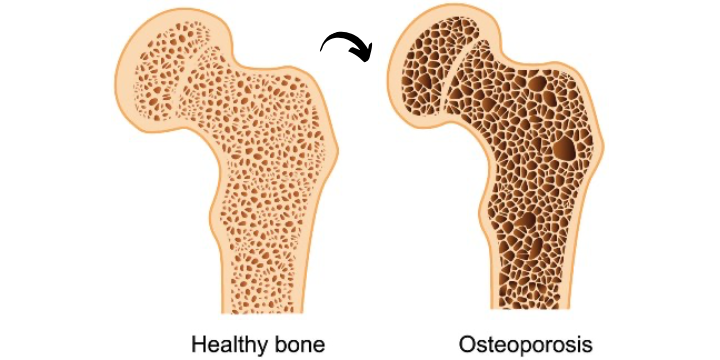
When we think about low bone density, we often associate it with aging, particularly in postmenopausal women or the elderly. However, this condition can affect younger individuals as well, sometimes without any obvious symptoms. This makes early awareness and proactive monitoring crucial.
There are many factors that influence bone health beyond just age:
- Low Energy Availability (LEA): This occurs when energy intake is insufficient to support the body’s basic physiological functions and training demands. It’s particularly common among athletes, and it can lead to hormonal disruptions that impair bone formation.
- Genetics: Your genetic makeup plays a significant role in your bone density baseline and how it changes over time. If there’s a family history of osteoporosis or fractures, you might be at higher risk even if you’re active and otherwise healthy.
- Medications: Some medications such as corticosteroids can interfere with bone remodeling, leading to bone loss over time.
- Nutrient Quality: Adequate intake of magnesium, calcium, vitamin D, protein, and vitamin K2 is essential for healthy bones. A deficiency in one or more of these can impair bone mineralisation or increase resorption.
- Type of Training: Not all exercise supports bone health equally. Weight-bearing and resistance exercises tend to stimulate bone remodeling more than endurance training like long-distance running or cycling.
Because of all these interplaying factors, it’s not uncommon for younger people to have below-optimal bone density scores, even if they appear healthy or fit. That’s why it’s worth checking your bone health early, especially if you fall into one of the at-risk categories. Early detection allows for early intervention, whether that’s adjusting your training, diet, or lifestyle.
2. The Type of Fat Matters More Than Your Body Fat Percentage
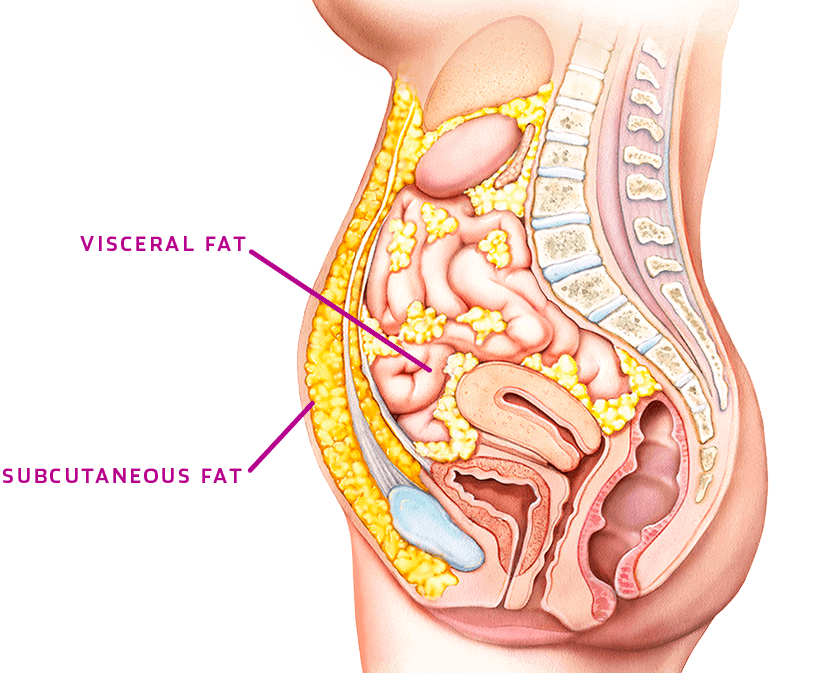
When it comes to body fat, most people focus on the number they see from scales or body fat percentage measured from something like calipers. But what really matters more from a health perspective is where that fat is stored, especially when it comes to visceral fat.
Visceral fat is the fat that surrounds your internal organs, and unlike subcutaneous fat (the fat under your skin), it’s metabolically active and can contribute to systemic inflammation. High levels of visceral fat are associated with an increased risk of:
- Type 2 diabetes
- Cardiovascular disease
- Certain types of cancer
- Insulin resistance and chronic inflammation
What’s critical to understand is that you can have a normal or even low body fat percentage and still carry a dangerous amount of visceral fat.
That’s why it’s valuable to get a deeper insight into your fat distribution rather than relying solely on scale-based metrics. Technologies like DEXA scans or body composition analyzers can help assess this and guide targeted lifestyle changes.
3. Metabolic Rates Can Vary Quite Significantly from Online Formulas
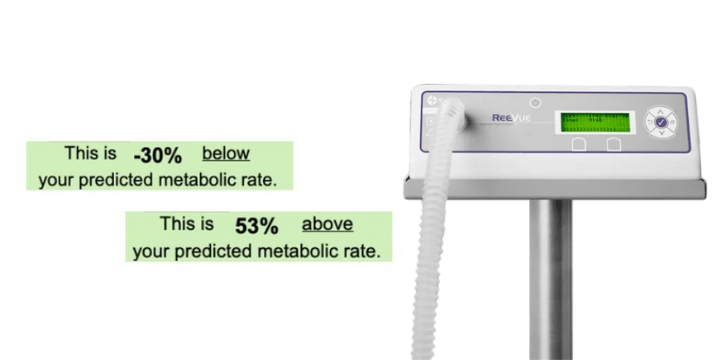
You’ve probably used an online BMR or TDEE calculator at some point, and while these can provide a helpful ballpark figure, they often miss the mark significantly for many individuals.
This is because online calculators typically use generalized equations based on age, sex, height, and weight – but they can’t account for:
- Body composition (fat mass vs. lean mass)
- Medications (like thyroid hormones or beta-blockers)
- Hormonal factors (like thyroid or reproductive hormone imbalances)
- Training status (how adapted your body is to your exercise routine)
- Genetics and even current energy balance
For instance, someone with more muscle mass may burn substantially more calories at rest than someone of the same weight with less lean tissue. Similarly, two people of the same body weight could have completely different metabolic rates depending on these internal factors.
Indirect calorimetry, the gold standard for testing resting metabolic rate (RMR), often reveals these discrepancies. In practice, many individuals test higher or lower by several hundred calories compared to what calculators estimate, which can significantly impact how they approach nutrition and weight management.
4. Scale Weight Doesn’t Entirely Reflect Progress
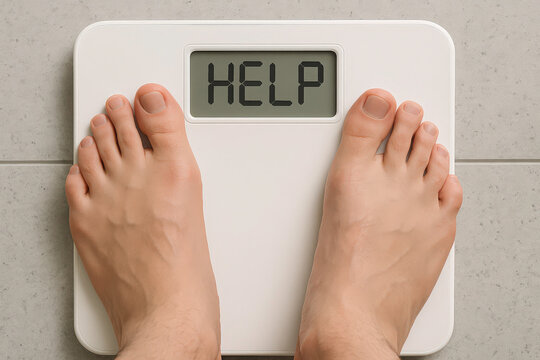
The scale is one of the most commonly used tools to measure progress, but it’s also one of the most misleading. That’s because weight alone doesn’t distinguish between fat, muscle, water, or bone density.
- You might not see much change on the scale, but behind the scenes, you could be gaining muscle and losing fat which a highly positive change that the scale completely ignores.
- Alternatively, weight loss doesn’t always mean fat loss. You might be losing muscle due to poor nutrition or overtraining, which can compromise your long-term metabolism and performance.
That’s why tracking body composition changes over time gives a far more meaningful picture of your progress. Tools like DEXA scans can tell you what’s actually changing in your body.
Final Thoughts
When it comes to understanding your health, surface-level metrics rarely tell the whole story. Bone density, fat distribution, metabolic rate, and scale weight all have layers of complexity that go beyond what’s visible (or what an online calculator or bathroom scale can show).
By digging deeper into these factors, you gain the ability to make informed, targeted changes that truly support your long-term well-being. Whether it’s getting a bone scan earlier than you thought you needed, assessing where your fat is stored rather than just how much you have, accurately measuring your metabolism, or looking beyond the scale to track body composition, the goal is the same: better insight for better decisions.