
GLP-1 Weight Loss Medications: Why Tracking Your Body Composition Matters
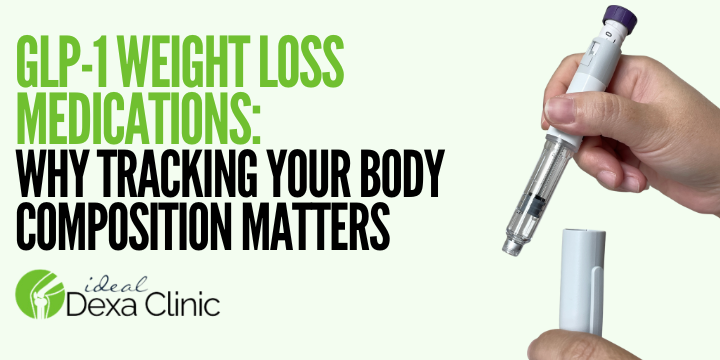
GLP-1 medications (e.g. Ozempic, Wegovy, Mounjaro etc.) have become one of the most talked-about tools for weight loss, and for good reason: the results can be significant and life changing.
But there’s a side of the story that doesn’t get discussed enough – not all of that weight lost is always fat.
Consequences of Rapid Weight Loss: Lean Mass
This isn’t because there’s something in these medications that specifically targets muscle or bone – it comes down to how weight loss happens in general. Any time you lose weight quickly, whether from a GLP-1 medication or aggressive dieting, your body doesn’t only burn fat. A meaningful portion of that loss comes from lean mass – muscle, organ tissue, and other non-fat tissue – unless you’re actively working to protect it through diet and exercise.
A 2024 systematic review and meta-analysis of nine randomised controlled trials (covering exenatide, liraglutide, semaglutide, and tirzepatide) found that lean mass made up approximately 30.8% of total weight lost on GLP-1 therapy.
The body composition substudies of the major trials showed a range around that figure, ranging from 25-45% lean tissue lost.
What About Bone Density?
Bone density deserves the same attention. It can also decline once these medications are started – one phase 2 randomised trial found that after 52 weeks, semaglutide produced a 2.6% greater reduction in total hip bone mineral density and a 2.1% greater reduction in lumbar spine BMD compared to placebo.
Again, this appears largely tied to the pace and scale of weight loss itself rather than a direct drug effect on bone – rapid weight loss from any method carries some risk to bone density.
Tips for Maintaining Lean Mass and Bone Density on GLP-1s
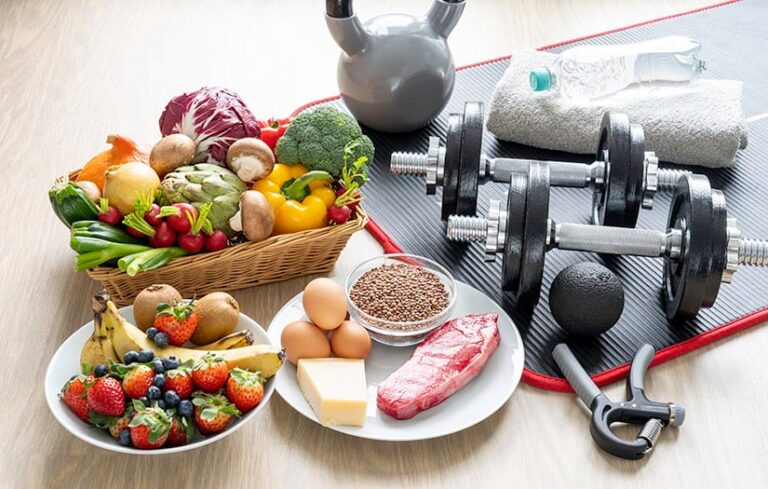
Prioritise protein. Research on preserving lean mass during GLP-1 therapy generally points to roughly 1.6g of protein per kg of body weight per day, spread across meals, to give your muscles the raw material they need while you’re in a calorie deficit.
Protein needs for energy-restricted resistance-trained athletes are shown to be nefit more from 2.3-3.1g/kg of FFM scaled upwards with severity of caloric resitriction and leanness.
Strength train. Resistance training 2–3 times per week, hitting all the major muscle groups, is the mitigation strategy most consistently backed by research for preserving muscle while losing weight. Cardio is great for health, but it’s resistance training that signals to your body “keep this muscle.”
Don’t cut calories too aggressively. A slower, more moderate deficit generally spares more lean tissue than a very rapid one. A rate of 0.5-1% drop in total BW per week can be a good aim for this.
To know how many calories are appropriate for you, indirect calorimetry testing can provide you with a number to work with.
Support bone health directly. Adequate nutrient intake (calcium, vitamin d, magnesium, vitamin k2 etc.), plus weight-bearing and resistance exercise, are standard recommendations for supporting bone density.
Get a baseline DEXA scan before you start. You can’t manage what you don’t measure. Knowing your starting fat mass, lean mass, and bone density gives you and your healthcare provider something concrete to track against.
Re-scan periodically. A follow-up scan every 3–4 months lets you see whether your lean mass and bone density are holding steady, and gives you the chance to adjust protein intake, training, or medication dosing with your doctor before small changes become bigger issues.
The Good News: Significant Loss Isn't Inevitable
None of this means muscle and bone loss are a guaranteed side effect of these medications – the research also shows the opposite is achievable when the right factors are in place.
The 2026 SEMALEAN study, which followed 106 patients on semaglutide over 12 months, found that lean mass dipped in the first seven months but then stabilised, while handgrip strength actually improved by an average of 4.5kg and the rate of sarcopenic obesity in the group fell from 49% to 33%.
Another review reaches a similar conclusion that resistance training is effective for maintaining muscle mass during caloric restriction in people with overweight or obesity, and notes that combining exercise with GLP-1 therapy is associated with better outcomes than either approach alone – including reduced loss of muscle mass and function, and less of the weight and health-risk rebound often seen after stopping medication.
Similar results are shown with minimal bone density changes too. A 2025 randomised trial in older adults (average age 73) on either semaglutide plus lifestyle counselling or lifestyle counselling alone for 20 weeks. The semaglutide group lost significantly more weight (5.3% vs. 0.9%), but there was no significant difference in whole-body, lumbar spine, leg, or pelvis bone mineral density between the two groups.
The authors note this lines up with a 2024 meta-analysis which found that modest weight loss corresponds to an expected bone loss of well under 1%.
Takeaway
GLP-1 medications are a powerful tool for weight loss, but “weight loss” isn’t the same as “fat loss” – and that’s true of rapid weight loss generally, not something unique to these drugs.
The medication helps to achieve a calorie deficit; what gets lost alongside the fat comes down to protein intake, resistance training, and pace, the same as it would with any other weight loss method.
Without visibility into what you’re actually losing, it’s easy to end up lighter but with less muscle and weaker bones than when you started. A DEXA scan gives you that visibility – turning “am I losing the right thing?” into a question you can actually answer.