
Getting the Most Accurate DEXA Scan: The Role of Positioning Pads
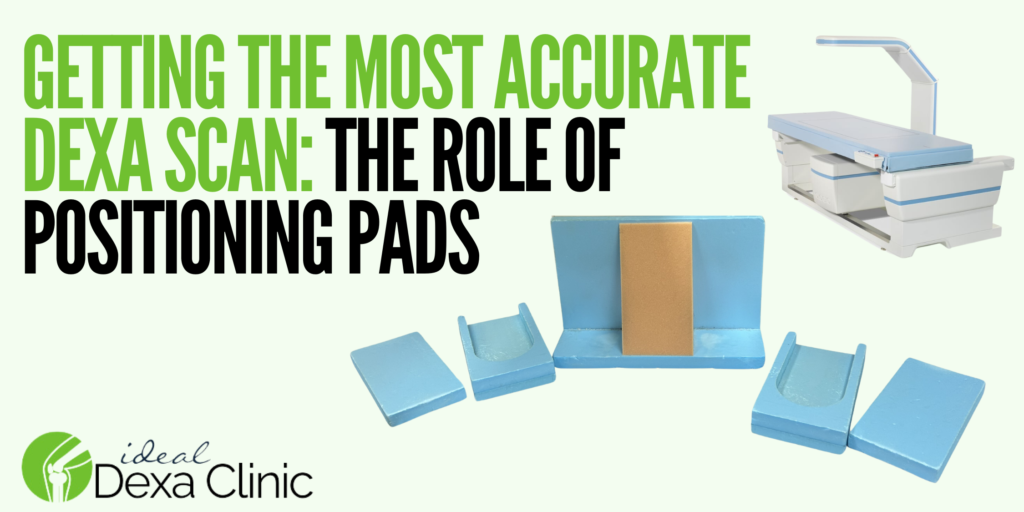
DEXA (Dual-Energy X-ray Absorptiometry) scans are a gold standard for assessing body composition, bone mineral density, and overall health metrics. These non-invasive scans are widely used by athletes, individuals tracking fitness goals, and those monitoring bone health conditions like osteoporosis.
One aspect of the DEXA scanning process that is often less talked about is the use of positioning pads – cushioned supports designed to ensure proper alignment and comfort during the procedure. While these pads can enhance the experience, they also have potential drawbacks.
The Pros of Using Positioning Pads
Improved Accuracy and Consistency
One of the biggest advantages of positioning pads is their ability to standardize body positioning. DEXA scans rely on precise alignment to deliver reliable data. Pads help minimize movement and ensure that follow-up scans are comparable over time, which is essential for tracking progress in body composition or bone health.
Enhanced Comfort
For individuals lying on a hard scanning table for ~4 minutes, positioning pads can significantly improve comfort. This is particularly beneficial for older adults, those with back pain, or individuals recovering from injuries, making the experience less stressful and more tolerable.
Support for Individuals with Mobility Issues
Patients with limited mobility – such as those with arthritis, recent surgery, or neurological conditions – may find it difficult to maintain the required position without assistance. Positioning pads provide the necessary support, reducing the risk of strain or injury during the scan.
Reduced Risk of Measurement Errors
Improper positioning can lead to artifacts or errors in the scan results, such as overestimating fat in one area or underestimating bone density. Pads help mitigate these risks by keeping the body aligned, ensuring the scan reflects true health metrics.
The Cons of Using Positioning Pads
Discomfort for Some Users
Although pads are designed to enhance comfort, they can sometimes cause discomfort for individuals sensitive to pressure points or those with specific medical conditions (e.g., pressure sores or skin sensitivities). In rare cases, the padding might feel restrictive rather than supportive.
Summary
Positioning pads might seem like a minor detail, but in a scan where millimetres of misalignment can skew your results, the small things matter. Used well, they improve accuracy, support comfort, and make the experience more accessible – particularly for those who need a little extra care to hold the required position.
The occasional downsides are real but manageable. Sensitivity to pressure, or the rare case where padding subtly affects scan precision, are things an experienced technician can anticipate and adjust for.
Ultimately, the goal of any DEXA scan is data you can trust and act on. Positioning 0 pads included – is one of the ways we protect that.